
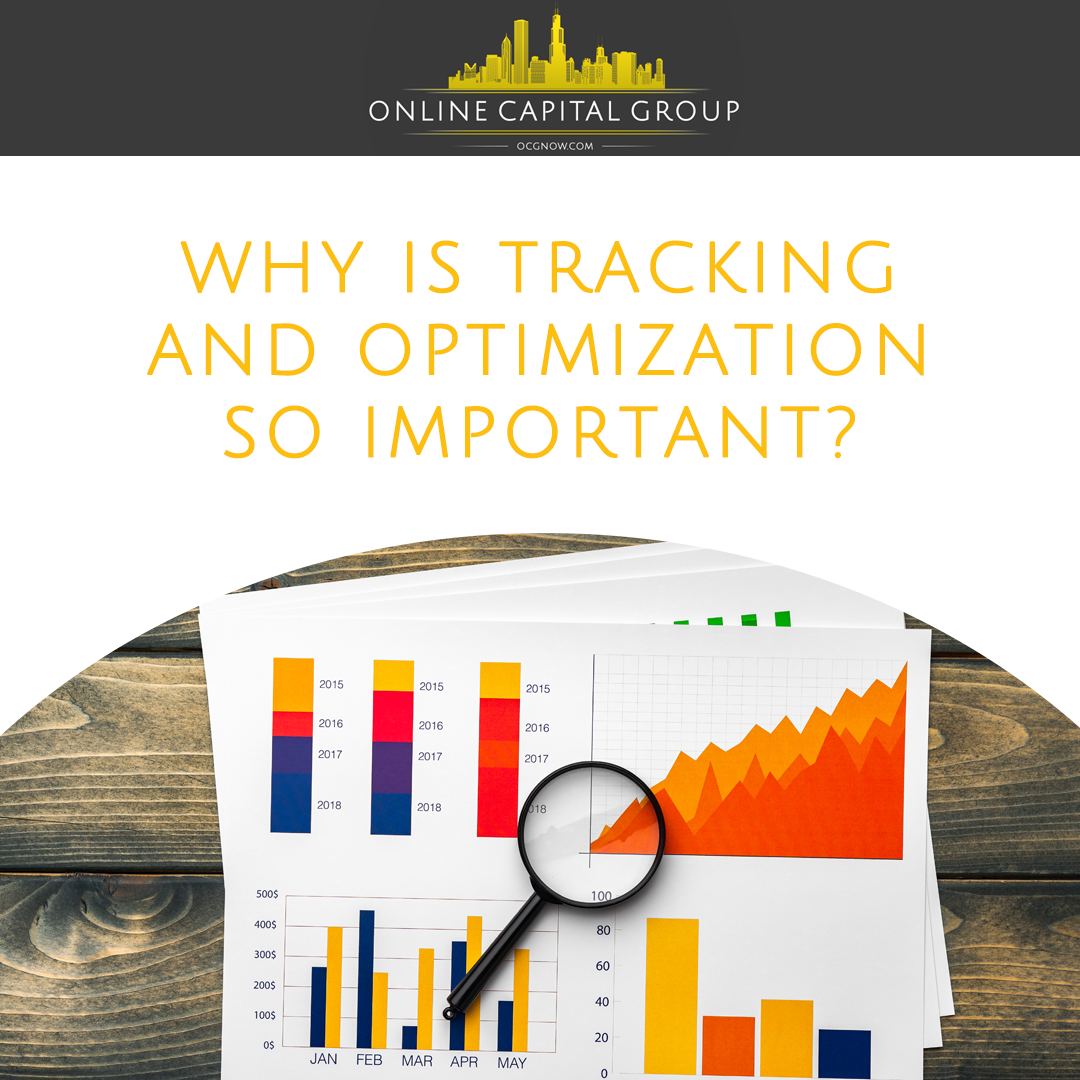
In the current digital era, a website acts as a virtual storefront for businesses, organizations, and individuals. It doesn’t matter whether you’re operating an e-commerce platform, a personal blog, or a nonprofit website; the success of your online presence depends on various factors. One of the most critical aspects is tracking and optimization. Let’s see why it’s essential to track and optimize your website to achieve your online goals.
Understanding User Behavior
Gaining insight into user behavior is a key reason for monitoring your website’s performance. With the help of web analytics tools like Google Analytics, you can gather a wealth of data that provides valuable insights into how visitors engage with your website. By tracking various metrics, you can get a better understanding of user behavior, including their browsing habits, preferences, and interactions with your site.
Traffic Sources: Find out where your visitors are coming from, whether it’s search engines, social media, referral sites, or direct visits. This information helps you allocate resources to the most effective marketing channels.
Page Views and Bounce Rates: Learn which pages are popular and which ones are causing visitors to leave immediately. High bounce rates on certain pages may indicate issues that need attention.
Conversion Rates: Track how many visitors take desired actions on your site, such as making a purchase, signing up for a newsletter, or filling out a contact form. This data is crucial for measuring the effectiveness of your site’s objectives.
User Journey: Follow the paths users take through your site. Identify the pages where users drop off and optimize those pages to keep users engaged.
Understanding user behavior empowers you to make informed decisions about your website’s content, design, and functionality.
Improving User Experience
Ensuring a good user experience (UX) is crucial for the success of a website. A site that is poorly designed or slow to load can lead to visitor frustration and drive them away. By analyzing user behavior and feedback, you can identify any UX issues and take the necessary steps to improve them. Optimization efforts may include:
Responsive Design: Ensure your website is mobile-friendly, as an increasing number of users access the web via smartphones and tablets.
Page Speed: Faster-loading pages leads to lower bounce rates and higher user satisfaction. Optimize images, minimize code, and leverage browser caching to improve loading times.
Navigation: Simplify site navigation to help users find what they’re looking for quickly. Intuitive menus and clear calls to action can enhance the overall UX.
Content Quality: Regularly update and refine your content to ensure it remains relevant and engaging. High-quality, informative content keeps users on your site longer.
Enhancing SEO Performance
Search Engine Optimization (SEO) refers to the process of improving your website’s visibility and ranking higher in search engine results pages (SERPs). Optimizing your site not only helps to attract more organic traffic but also enhances your credibility. SEO involves tracking and optimizing various efforts that impact search engine rankings, such as keyword research, website content optimization, backlinking, and more.
Keyword Analysis: Identify the keywords and phrases relevant to your content and audience. Use these keywords strategically in your content, headers, and meta tags.
Content Optimization: Create high-quality, valuable content that addresses user intent. Optimize on-page elements, such as titles, headings, and meta descriptions, to improve search engine visibility.
Backlink Building: Earn high-quality backlinks from reputable websites. Backlinks are a crucial factor in search engine algorithms and can boost your site’s authority.
Technical SEO: Address technical issues like broken links, duplicate content, and XML sitemaps to ensure search engines can crawl and index your site effectively.
Monitoring Security
Ensuring website security is crucial in the age of cyber threats and data breaches. Regular monitoring and optimization efforts can help identify vulnerabilities and protect against security breaches.
Software Updates: Ensure your content management system (CMS), plugins, and themes are up to date. Developers frequently release security patches and updates to address vulnerabilities.
Malware Scanning: Regularly scan your site for malware and suspicious activity. Implement security plugins or services to enhance protection.
Secure Sockets Layer (SSL) Certificate: Install an SSL certificate to encrypt data transmitted between your website and users. Google and other search engines also favor secure sites.
User Authentication: Implement strong user authentication methods to prevent unauthorized access to your website.
Achieving Business Goals
For businesses and e-commerce sites, tracking and optimization are directly tied to achieving revenue and conversion goals. By monitoring key performance indicators (KPIs) and optimizing the conversion funnel, you can drive growth and profitability. Some essential business-related KPIs include:
To effectively measure and optimize your business’s performance, there are several key metrics you should track. These include:
– Conversion Rate: This metric measures the percentage of visitors who complete a desired action on your website, such as making a purchase or requesting a quote. It can help you identify areas for improvement in your website’s design and user experience.
– Average Order Value (AOV): Tracking the average amount customers spend per transaction can help you identify ways to increase revenue. By implementing strategies to boost AOV, such as offering bundle deals or upselling, you can increase the value of each sale.
– Customer Lifetime Value (CLV): Understanding the long-term value of a customer to your business is critical for effective marketing and customer retention. By optimizing for customer retention, you can increase CLV and maximize the value of each customer.
– Return on Investment (ROI): Calculating the return on your marketing and advertising investments can help you allocate resources more effectively. By identifying which channels provide the best ROI, you can focus your efforts on the strategies that are most effective.
– Cart Abandonment Rate: Addressing the reasons why customers abandon their carts and optimizing the checkout process can help reduce lost sales and increase revenue. By identifying and addressing common reasons for cart abandonment, such as unexpected fees or a confusing checkout process, you can improve the overall customer experience and boost sales.
How Your Online Capital Group Can Help
A website is a living, breathing entity. It requires continual attention and improvement, much like a valuable piece of digital real estate. Tracking and optimization are not one-time tasks, but rather ongoing processes that must adapt to changes in user behavior, technology, and search engine algorithms. Whether you’re running a business, managing a blog, or representing an organization, investing time and resources in tracking and optimization is crucial for achieving success.
It’s not enough to simply maintain a website. To meet user expectations, achieve business objectives, and stay competitive in the digital realm, it’s crucial to continuously improve it. Therefore, tracking and optimization should be an integral part of your web strategy. By doing so, you can improve your online presence and watch your brand thrive. For more information on how our professional services can take your brand to new heights, give us a call today at (904) 600-3600.
Share:
- Share on Facebook (Opens in new window) Facebook
- Share on LinkedIn (Opens in new window) LinkedIn
- Share on X (Opens in new window) X
- Share on Reddit (Opens in new window) Reddit
- Share on Pinterest (Opens in new window) Pinterest
- Share on WhatsApp (Opens in new window) WhatsApp
- Share on Telegram (Opens in new window) Telegram
- Email a link to a friend (Opens in new window) Email